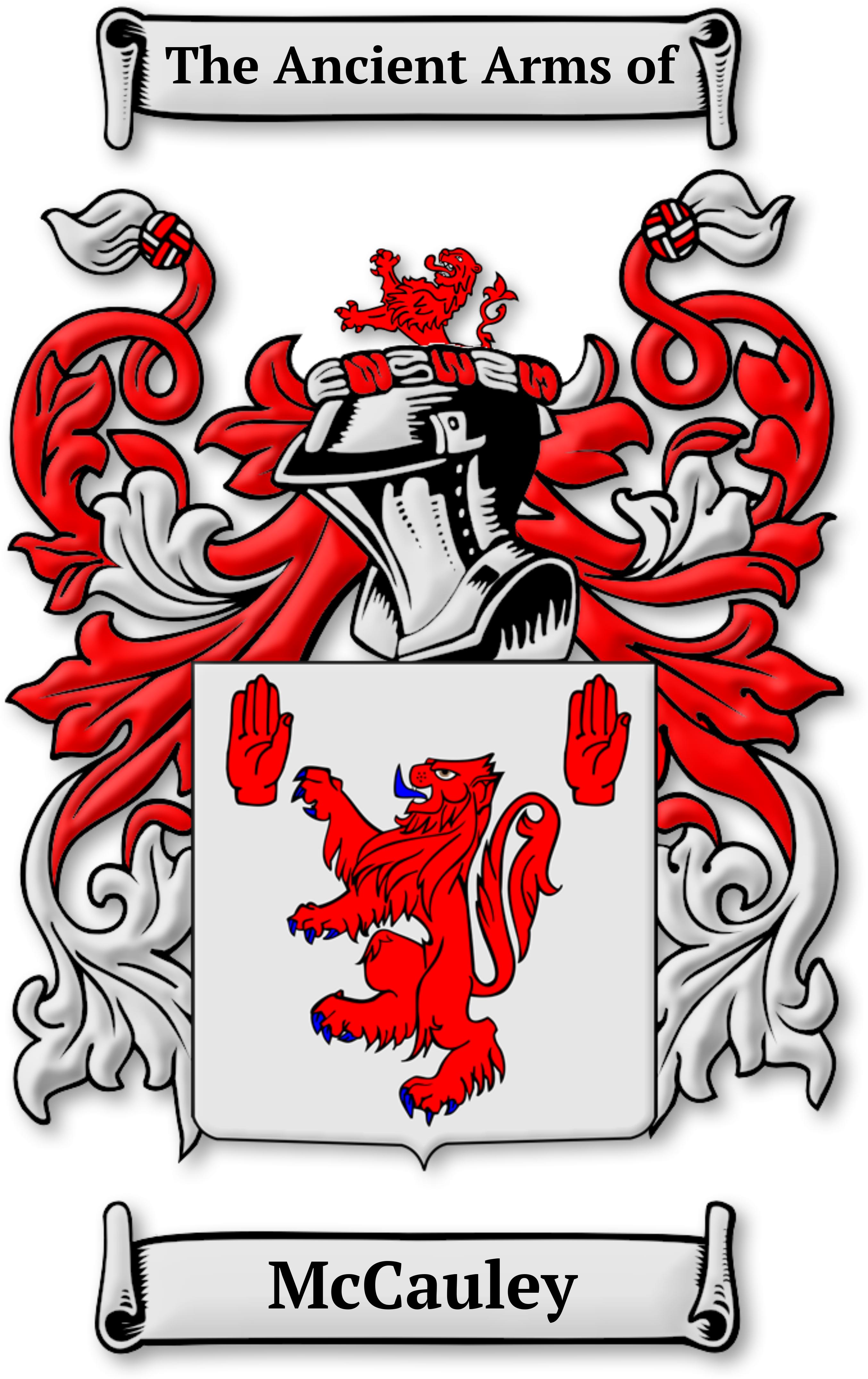
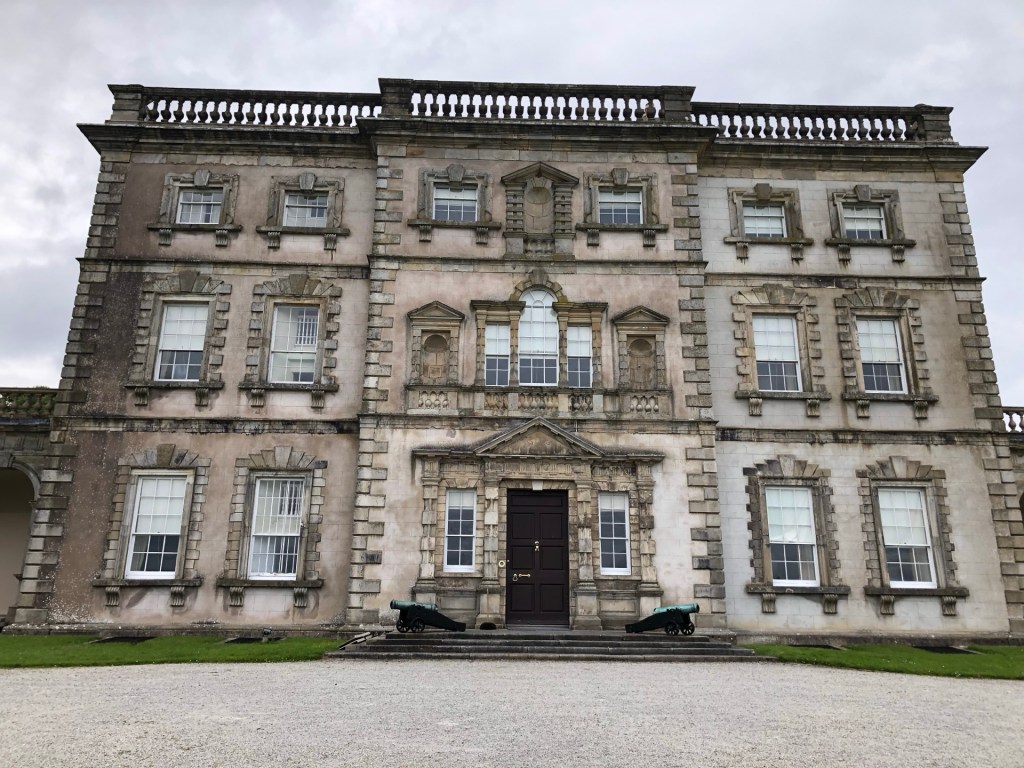
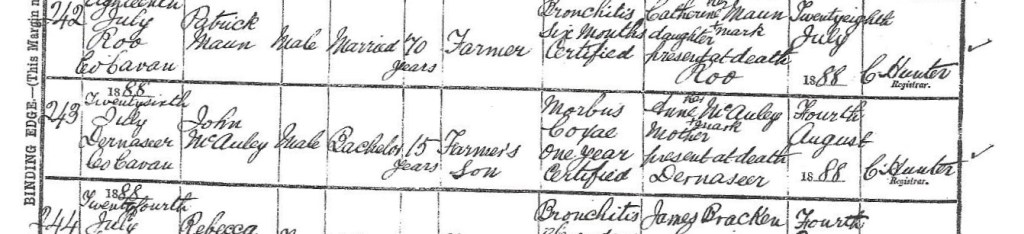
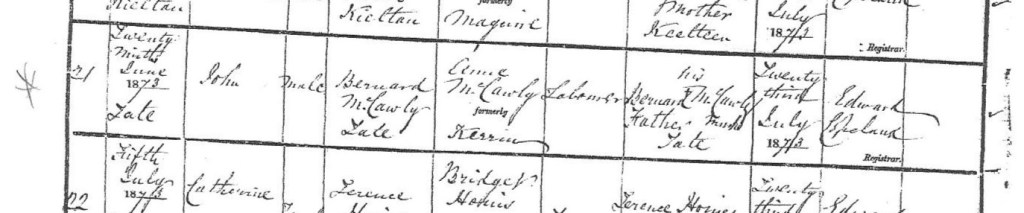
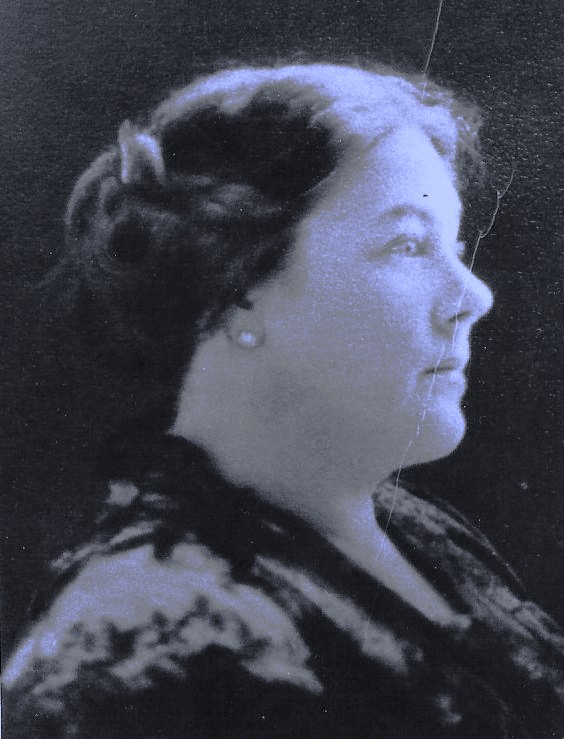
Robert was the grandson of Kathryn (Catherine) McCauley Anderson (1868-1929) and
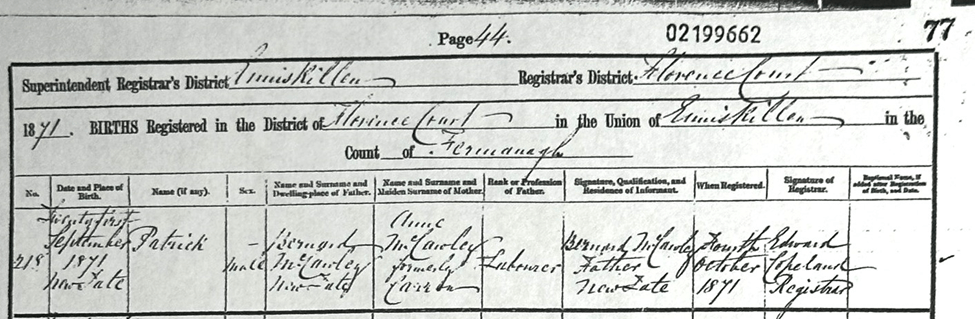
Hans G. Anderson (1867-1941). Kathryn was the daughter of Bernard and Ann McCauley,
Fermanagh County, Northern Ireland.
Obituary
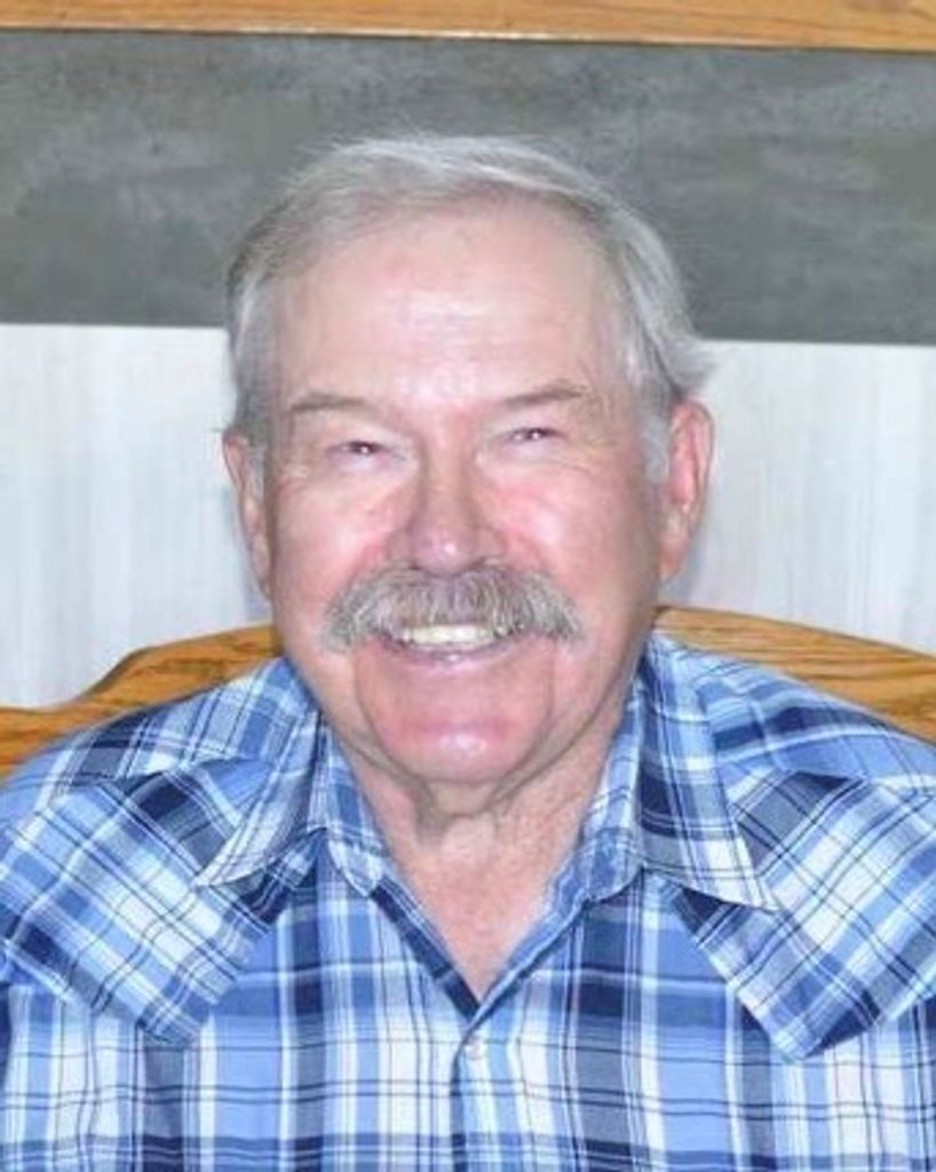
Robert G. Anderson, 88, formerly of Ludlow, SD, passed away in July 21, 2026 in Rapid City, SD.
Funeral Services for Robert will be held on Wednesday, July 29, 2026 at 1:00 pm at the Harding County Community Center in Buffalo, SD. Pastor Mike Smith and Pastor Tim O’Shields will officiate with burial to follow in the Bowman Cemetery.
Per Robert’s wishes, the family asks for No flowers please.
There are people whose lives are measured not by the places they traveled, but by the ground they faithfully cared for. Robert Gene Anderson was one of those people.
Robert passed away peacefully on Tuesday, July 21, 2026, at Monument Health Home+ Hospice House in Rapid City, South Dakota, surrounded by the family he loved so deeply.
Robert (Sonny to his friends and neighbors) was born March 8, 1938, in Buffalo, South Dakota, to Clara (Evenson) and Waldemar “Wally” Anderson. He joined older siblings Arlone and Benny, and in 1944 proudly welcomed his little sister, Betty. Except for the final months of his life, Robert spent his entire life on the family farm and ranch in Harding County—a place that shaped him and, in turn, was shaped by him.
Growing up during the Depression and wartime years meant life was seldom easy, but Robert rarely spoke about hardship. Instead, his stories were filled with family, neighbors, laughter, and adventure. One favorite memory came from first grade, when he and his brother Benny encountered a coyote while walking to Lanesboro Country School. Convinced the coyote intended to eat him, Robert turned and ran for home until Benny caught him and calmly explained that if the coyote caused trouble, they would simply feed it their lunches instead.
At just fourteen years old, while still in the eighth grade, Robert’s life changed forever when his father died in 1952. Overnight, he became responsible for operating the family farm. He also worked neighboring farms and ranches to help support his mother, Clara, and his younger sister, Betty. Those early responsibilities forged the character that defined his entire life: dependable, humble, resilient, and willing to do whatever needed to be done without complaint.
After Clara’s death in 1968, Robert “batched” for two years before meeting Vicki Overland in Bowman, North Dakota. Their romance moved quickly. When Robert proposed, he simply asked Vicki whether she’d like to attend his niece’s upcoming wedding as his girlfriend or as his wife. Vicki chose “wife,” and the two were married on an exceptionally hot July 12, 1970, at Sunset Chapel. It was the beginning of a partnership that would span fifty-six years.
Together they built a life centered on faith, family, farming, and community.
Robert believed deeply in caring for the land. Long before conservation became a common conversation, he was practicing soil-friendly farming methods, planting thousands of trees, and looking for ways to improve the prairie for future generations. He helped establish the Ludlow Grazing Association Cooperative, a cooperative grazing operation that became an important part of his life’s work until his retirement in the 2000s. In 1972, he was recognized as Harding County Conservationist of the Year, an honor he always remembered because the banquet took place the evening after daughter Julie was born.
Farming was never simply an occupation—it was a way of life. Robert balanced grain farming with raising cattle and farrow-to-finish hogs while also caring for chickens, horses, cats, and dogs. The horses were working partners. The dogs were companions. Every animal mattered.
Among them all, one faithful Australian Shepherd named Sporty held a special place in his heart. Sporty remained Robert’s constant companion and will be buried beside him.
Julie arrived in 1972, followed by Todd in 1974. Their childhood wasn’t measured by vacations or amusement parks but by branding pens, hay fields, harvest, trailing cattle, and countless hours riding in tractors. As they grew older, Robert proudly handed them the tractor keys and trusted them with real responsibility. Through everyday work, he quietly taught lessons about honesty, perseverance, stewardship, and keeping your word.
Robert never forgot where he came from. He remained especially close to the Evenson side of the family, particularly his beloved Aunt Edith, whose land he farmed for many years. Following Clara’s death, Robert’s aunts looked after him with love, making sure the house stayed clean and the laundry got done. Robert, however, had already become a remarkably capable cook, proving there wasn’t much he couldn’t figure out for himself.
Robert believed that being part of a community meant giving back. He was a charter member and officer of Sons of Norway Smaa Fjell Lodge 4-557 and was active in Bethlehem Lutheran Church in Ludlow, the Ludlow Fire Department, the Dakota Territory Car Club, and numerous agricultural organizations. For nearly twenty years, he faithfully drove the Northwest Regional Library Bookmobile, covering a 200-mile route each month to deliver books and friendly conversation to people across Harding County. Whether volunteering, helping a neighbor, or mentoring younger farmers, Robert quietly lived by the belief that communities thrive when people are willing to serve one another.
Perhaps nothing delighted Robert more than remembering history. He possessed an extraordinary memory for names, dates, places, machinery, and people. He could recount the arrival of electricity, telephones, and indoor plumbing in Harding County as though it had happened yesterday. He remembered nearly every car, truck, tractor, and piece of equipment he ever owned or drove, along with who bought it, sold it, or borrowed it. Family members often joked that if Robert couldn’t remember something, it probably hadn’t happened.
In 2001, Robert faced cancer with the same quiet determination that had carried him through every challenge in life. Two years later he was diagnosed with an extraordinarily rare cancer involving his sciatic nerve, becoming one of the first ten known patients with the disease. At Mayo Clinic in Rochester, Minnesota, he underwent groundbreaking treatment, including a stem cell infusion using his own cells. Every birthday afterward became especially meaningful, and on March 3, 2026, family and friends joyfully celebrated what they called his “22nd birthday”—twenty-two years of life made possible through hope, faith, medicine, and perseverance.
In August 2025, Robert and Vicki moved from the ranch to Rapid City so they could be closer to medical care. Leaving Harding County after more than eighty-seven years was not an easy decision, but home was never simply a place. Home was wherever family gathered.
Those who knew Robert will remember far more than the work he accomplished. They will remember his quiet wisdom, his dry sense of humor, his willingness to lend a hand, and his gift for telling stories that preserved the history of western South Dakota. They will remember a man who measured wealth not by possessions but by family, friendships, good neighbors, healthy livestock, fertile soil, and the privilege of watching another South Dakota sunrise.
His legacy lives on in the land he cared for, the family he loved, the stories he preserved, and the countless lives made richer because he was part of them.
Robert was preceded in death by his parents, Waldemar “Wally” and Clara Anderson; his brother, Benny (Ardy) Anderson; his sister, Arlone (Bud) Larrabee; his baby siblings Joy and Joyce (1933), Donald (1936) and Katherine (1943), his brother-in-law Bill Austin. He is survived by his beloved wife of fifty-six years, Vicki; daughter Julie (Jason) Erickson; son Todd (Jana) Anderson; sister Betty Austin; grandchildren Lexi (Adrian) Bailey, Kyle (Meghan) Erickson, Braden Kline, Haley (Nate Johnson) Erickson, Tate Erickson, and Ella Anderson; eight great-grandchildren; brother-in-law, Everett (Christina) Patterson, many cherished cousins, nieces and nephews; and his faithful cats, Callie, Daisy Mae, and Buddy Lee.