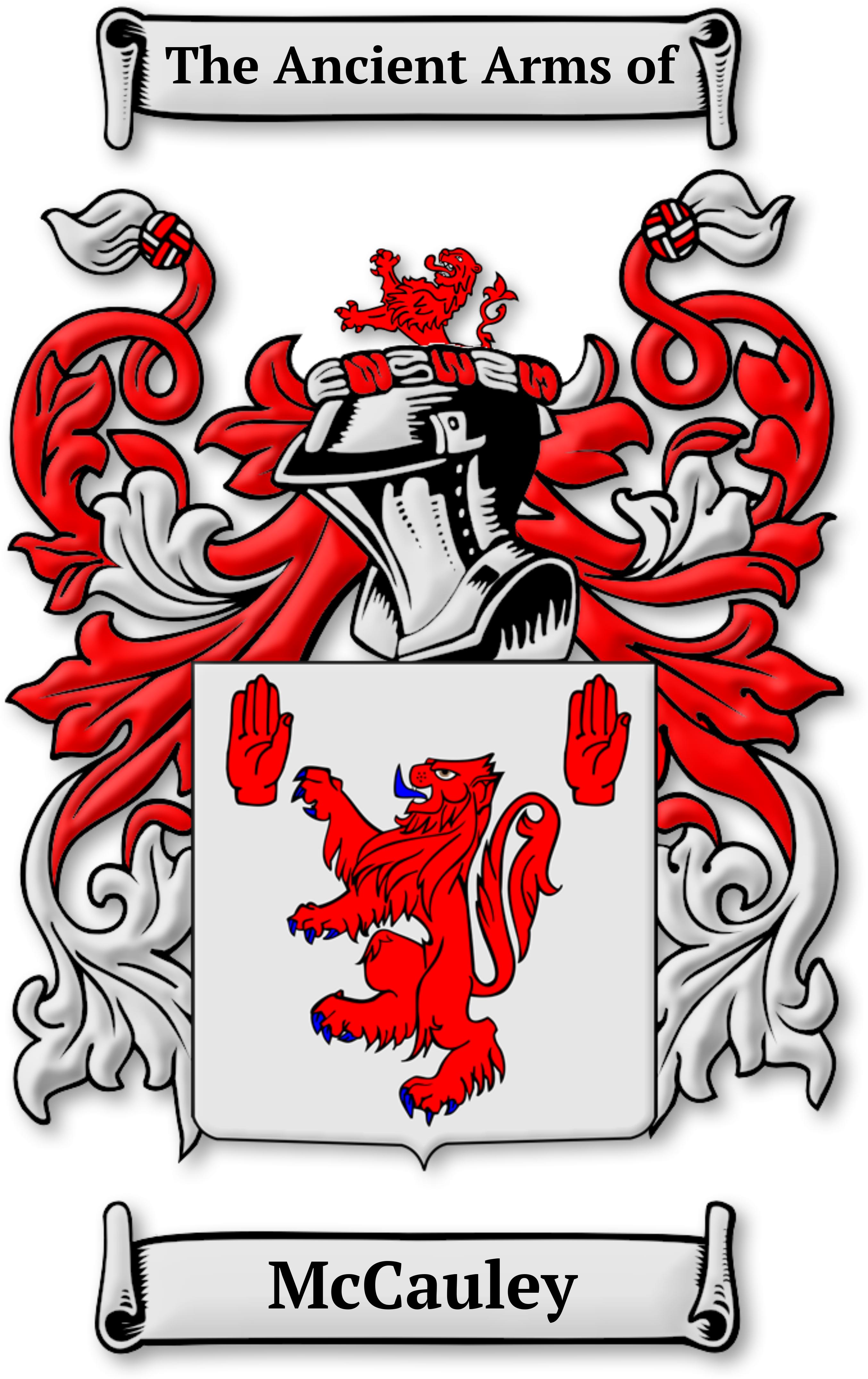
Thomas McCauley (1914- 1955)
Of all my twentieth century relatives, Thomas McCauley mostly remains an enigma. This stems from comments we heard as children saying that Thomas had moved away, and no one heard from him again. Later there was the suggestion that we may have cousins and perhaps they lived near Rochester, NY. While there are grains of truth that Thomas traveled the country, at the time my brothers and I were inquiring, Thomas was indeed dead and buried in Holy Sepulture Cemetery. The date of death on his stone is 1955, seven years before my birth. Perhaps my father was not involved in the preparations or the burial as he was serving in the Airforce at the time. Perhaps the event left his memory. Today, I think it is more likely that Thomas’s life may have been too complicated to explain to impressionable children. My parents were devout Catholics and raised their children in the faith. My father also ran the religious education program for the parish and was on good terms with the priests and the teaching friers. There are elements of Thomas’s life that stood in contradiction to where my father wanted to see his children grown and develop, so I imagine that the less that was said, the better.
As I discover more about Uncle Thomas’s life, I see him in a more unfiltered light. His marker is usually the second stop on the family marker maintenance tour of Holy Sepulchre cemetery. I am always happy to stop by and say hello. A few sections away from Aunt Ellen, he probably has achieved a degree of personal space, and still, he won’t be getting too far away from her again either.
Thomas had a difficult beginning to his life. His mother, Susan McCauley, died of Pneumonia in 1918 when he was three years old. As a result of a construction accident, his father, Bernard McCauley (II) was severely injured. Both Thomas and his older Brother Bernard (III) were placed in the Mount Loretto Orphanage on Staten Island in 1919. Both names appear on the 1920 United States censes as residents in that institution. Aunt Ellen was raising two children and Aunt Susan had seven boys of her own. Aunt Susan also cared for Bernard (2nd) after being injured. Their admission to the orphanage appeared to be the best solution. The story was passed down that Thomas’s father, (Bernard McCauley II) would visit the two boys on Sundays and we would smoke a small clay pipe, the type commonly used in Ireland. Aunt Ellen Aunchman was also a frequent visitor and at one point objected to the two boys proposed adoption to a sea captain.
At some point Thomas was released and reportedly lived with Aunt Ellen and Uncle John Aunchman at 21 Nelson Avenue in Rensselaer, although Thomas ‘s name does not appear on the 1930 Censes. My father’s notes suggested that he developed a reputation to be a ladies’ man. The “gift” of gab is truly a McCauley genetic trait, and I am sure it was a real tool for survival, developed and refined, while growing up in an orphanage.
Apparently, Thomas was as restless as his Aunt Ellen. A ship’s manifest adds to the oral tradition that he visited his Aunt Agnes McCauley in Ireland in November 1934. He arrived by ship in Belfast Northern Ireland and would have had to travel south to Fermanagh County. Thomas did not seem to take to rural farm life there. Aunt Agnes made him smoke his cigarettes and play cards in the barn. My father’s notes suggest in the 1930’s, possibly after his return from Ireland, Thomas took off to tour the country on the rails. Based on notes from my father, his brother Bernard would go to look for him based on post cards he had sent home. Maps were collected from areas he had been to including Illinois, Oklahoma, and Texas. Did he hop the trains west to Chicago and travel south for the winter?
I pick up his trail again using the 1940 US Censes. In 1938 Thomas lived in Rochester, New York and works as a Porter in the Regent Theatre. Honest work and it could have been a fun job! A behind-the-scenes position that ensures patrons have a good time. At that time the Regent would have produced some live shows, in addition to showing films. I sense it was a great place to meet interesting people and have a healthy late-night social life.
I also find a copy of Thomas’s 1940 draft card. He is 5′ 3’ tall and 115 lbs., Hazel eyes and black hair. Considering that stature, he really does need to depend on wit and personality to make an impact. Perhaps he also possesses intensity. I discovered an incident reported in the Rochester Union newspaper. Thomas McCauley thwarts the mugging of a 71-year-old woman by chasing down the perpetrator and returning her purse. So, Thomas is a bit heroic as well. That did not come through in my father’s notes. I’m sure no one in the family knows about this incident.
A Kindness my father remembers is the year Thomas returned to Rensselaer with his young son and briefly lived with the family on Spruce Street. That Christmas Thomas purchases a Madison Alexander doll for my aunt Pat. This would have been the “special” gift for a young girl in the 1940’s. For my father, he purchased a blond finished student desk. Thomas was “reprimanded” for being overly generous. My father also writes “It was said by all of them that Thomas was overly generous with his money”. A common trait of those who truly live in the moment.
These anecdotes fire my imagination. I have a feeling of solidarity with him. As an amateur musician I have had many meaningful experiences performing and assisting with the productions of concerts. Supporting fellow artists and performers through the years, bearing witness to talented yet unknown artists, has enriched my life deeply. My collections of paintings and crafts include pieces from those with whom I attended college, and some special works from those who were born with a disability. I can imagine having a beer with Thomas and sharing our arts experiences and influences. What styles of music did he like? What artists did he hear perform? Did he sing? Maybe he would indulge me and listen to my hitchhiking stories. (only two, but quirky!). We would not discuss our donations or in-kind contributions as those good works are truly more meaningful when they are unseen.
Thomas dies of pneumonia in the Poughkeepsie Asylum in 1955. Family members have passed down that he had a mental decline because of syphilis. My grandmother was deeply involved in parish life and along with my grandfather secured a burial plot and service marker for him in the cemetery. He did serve his country in a limited capacity at the end of World War II and has a military marker over his grave. Thomas had a son who is currently lost to time. Thomas appears to have lived his life on his own terms. Terms others may not have been able to understand, but still, his life story should be shared as it offers a richness in the understanding of our family. I am going to continue my research on Thomas to see if I can add additional context to his story and enhance his perception in the eyes of his survivors.
 Four Bernards & Their Clans
Leave a comment